Perimenopause Sleep Problems: Practical Fixes
If sleep suddenly feels lighter, hotter, or more unpredictable in midlife, perimenopause may be part of the picture.
 Lalit SMay 4, 20268 min read
Useful health tools
Try one of our most searched health calculators.
BMI Calculator
Estimate body mass index from height and weight, with a plain-language category.
Daily Calorie Needs Calculator
Estimate maintenance calories and gentle weight-change ranges by activity level.
Sleep Calculator
Work backward from a wake-up time to estimate when to get into bed for an adult sleep target.
Quick answer: If sleep suddenly feels lighter, hotter, or more unpredictable in midlife, perimenopause may be part of the picture. Keep the room cool and use breathable layers. This guide explains the evidence, practical cautions, and signs that mean it is time to speak with a qualified healthcare professional.
A midlife sleep guide for readers who feel blindsided by new night waking.
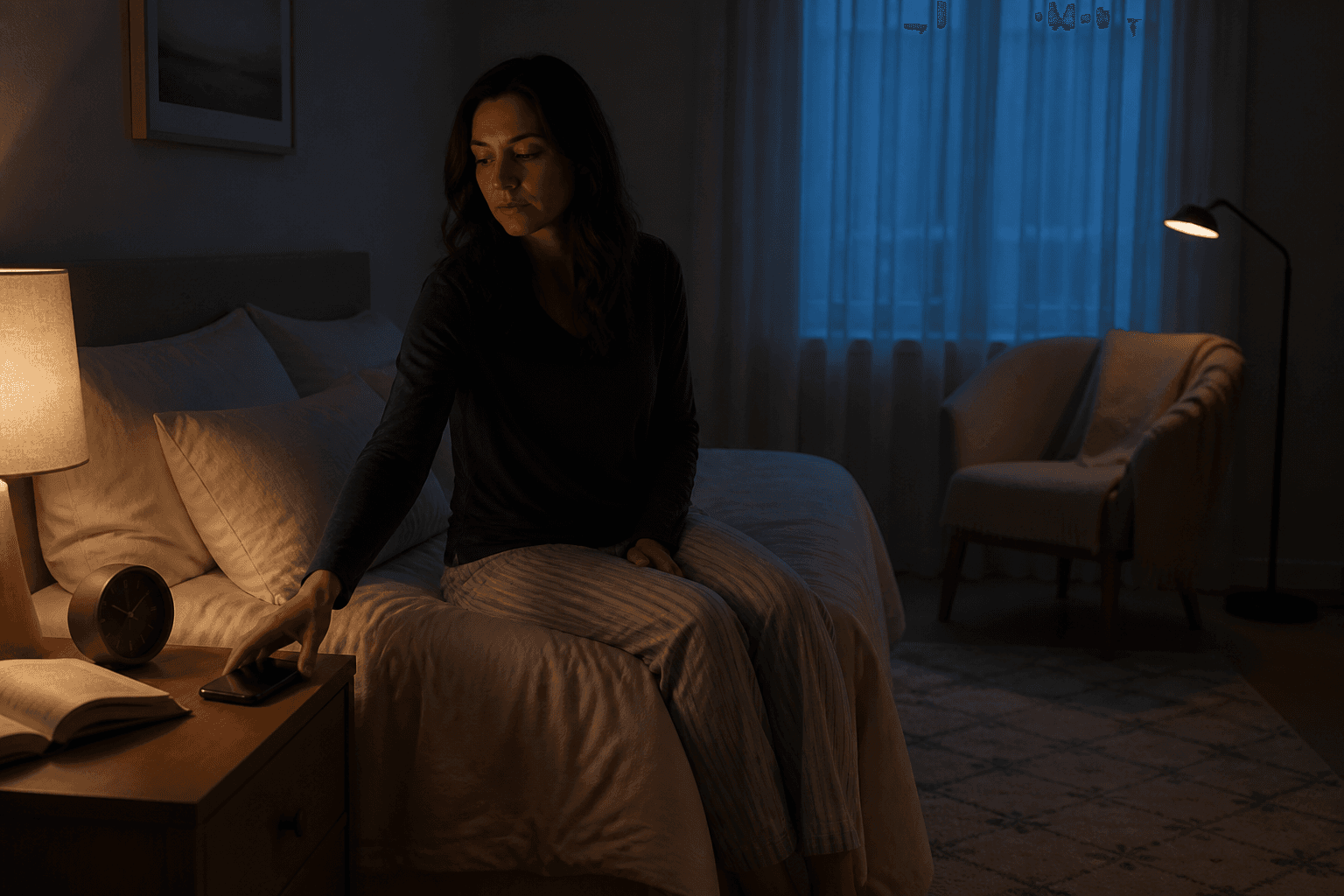
Sleep advice can sound simple until you are awake at 2 a.m. This article keeps the focus on small cues, comfort, timing, and symptoms that deserve attention.
If you only have a few minutes, begin with the section that matches what you are dealing with today. You can come back later for the details.
What is the most useful quick take?
- Most useful first step: Keep the room cool and use breathable layers.
- Do not miss: Assuming poor sleep is just aging.
- Safety cue: Seek care for severe insomnia, heavy or unusual bleeding, depression symptoms, drenching night sweats, or sleepiness that affects driving.
Why does this matter?
Hormonal shifts, hot flashes, mood changes, alcohol sensitivity, bladder symptoms, and caregiving stress can all affect sleep during perimenopause. If concentration or mood changes are becoming part of the pattern, the site's menopause brain-fog and mood check-in can help organize what to track. If sweating becomes drenching, starts after symptoms had settled, or appears with fever, unexplained weight loss, cough, pain, or marked illness, use the night-sweats tracking and care guide and discuss the pattern with a clinician instead of assuming every episode is hormonal.
Sleep is affected by behavior, stress, pain, breathing, hormones, medications, and environment, so persistent sleep problems deserve more than generic tips.
How can you use this information safely?
Here is a practical way to turn the guidance into something you can actually test.
- Keep the room cool and use breathable layers.
- Move alcohol and caffeine earlier or reduce them if symptoms worsen.
- Track hot flashes, cycles, mood, and sleep for appointments.
- Ask about CBT-I, hormone therapy, or nonhormonal options if symptoms are significant.
One helpful check is to ask, "Would I still do this on a low-energy day?" If the answer is no, make the step smaller before you judge your motivation.
Questions this guide answers
These are the practical questions readers usually bring to this topic. The short answers below are intentionally direct, and the surrounding sections explain the context, cautions, and when professional guidance matters.
Can perimenopause cause insomnia?
Yes, it can contribute, though other causes should also be considered.
Do cooling products help?
They may help comfort, but severe hot flashes may need medical discussion.
Is hormone therapy the only option?
No. Hormonal and nonhormonal options exist, depending on health history and symptoms.
What common mistakes should you avoid?
- Assuming poor sleep is just aging.
- Buying many supplements before getting evaluated.
- Ignoring snoring or sleep apnea symptoms.
- Trying to power through months of severe sleep loss.
When should you seek medical care?
Seek care for severe insomnia, heavy or unusual bleeding, depression symptoms, drenching night sweats, or sleepiness that affects driving.
The strongest plan is usually the one you can keep doing when life gets busy.
Sources
Health Wellness Daily uses credible medical and public-health sources to support health claims. Sources reviewed for this article include:
- Office on Women's Health: menopause symptoms and relief
- ACOG: sleep health and disorders
- ACOG: hormone therapy for menopause
- NIH NHLBI: insomnia treatment and CBT-I
By Lalit S · Researched and sourced, not medical advice · Last reviewed 2026-07-31
A note before we start: I'm not a medical professional. This is a researched, plain-language guide with every health claim linked to a credible source so you can check it and bring it to your own doctor. It's for general education — not a diagnosis, and not a substitute for care from someone who knows your history.
How this article was made: I researched current guidance from the sources above, drafted with AI assistance, and fact-checked every claim against its source before publishing. I'm not a medical professional — corrections from clinicians are welcome at contact@healthwellnesdaily.com.
Medical disclaimer: This content is for general information only and is not medical advice. Always consult a qualified healthcare professional about your own symptoms.


Comments
Verified readers can comment. New comments are reviewed before they appear.