Health topic library
Fitness & Movement Articles
Realistic fitness articles on strength training, walking, movement snacks, heart health, blood sugar, recovery, and safe beginner routines. Browse practical, source-aware guides with clear takeaways, safety notes, and related reading paths.
24 articles in this topic
Browse all articles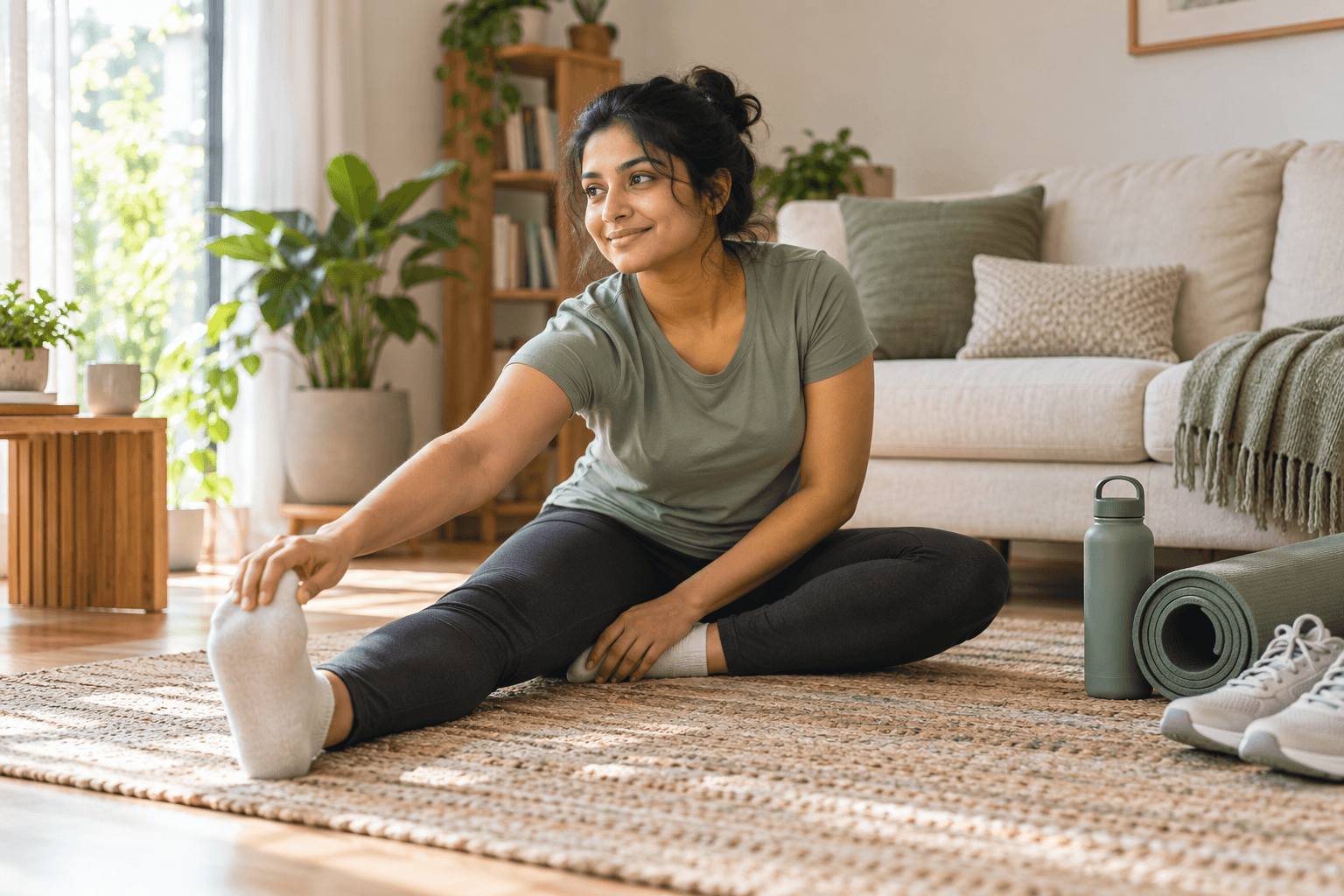 Fitness & Movement
How Many Rest Days a Week Do You Need?
How many rest days a week you need depends on what your workouts ask of you, not one universal number. Beginners often do well with two or three nonconsecutive strength sessions and easier days between them. Judge recovery by the muscle groups trained, workout intensity, soreness, sleep, energy, and performance—not by guilt about taking a day off.
 Fitness & Movement
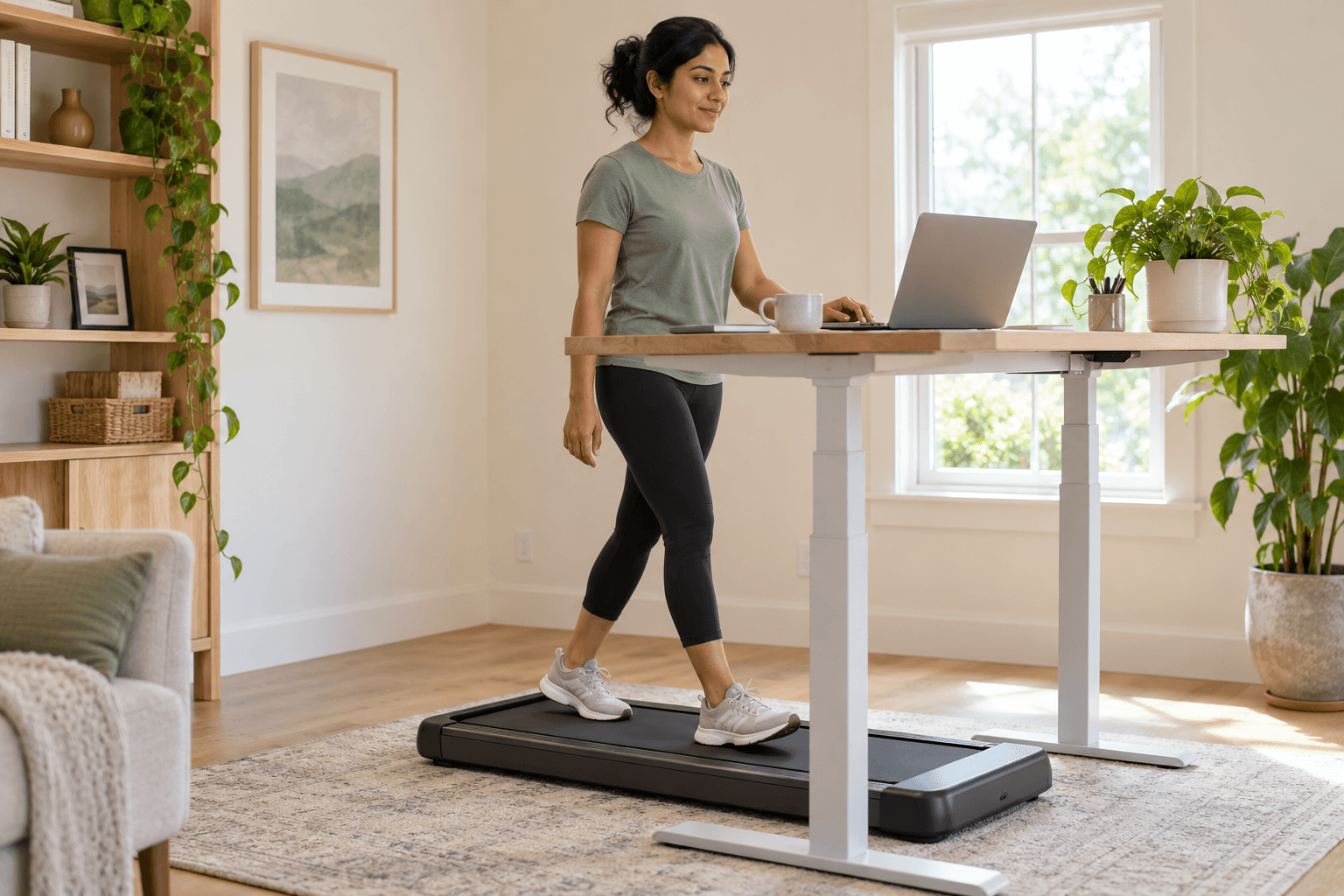
Walking Pad Workout: A Beginner Safety Plan
A walking pad can help you replace some desk sitting with easy indoor walking, but it is not automatically a full workout or a safe fit for every person or task. Start off the machine, clear the area, use the manufacturer's limits and controls, walk slowly without multitasking, and add simple work only after your balance feels steady.
 Fitness & Movement
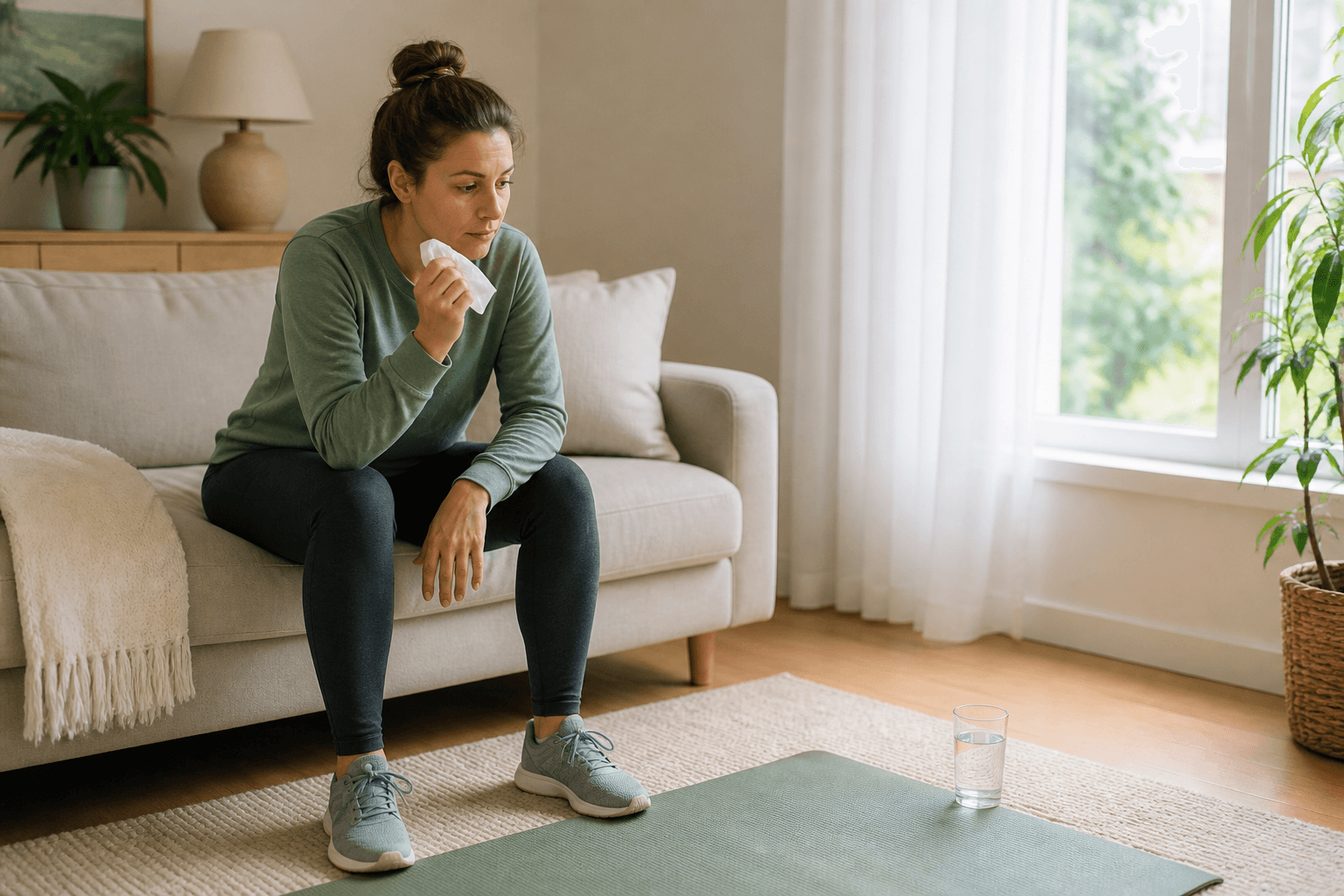
Exercise When Sick: A Safe Skip-or-Move Check
Exercise when sick is not a test of discipline. Skip training if you have fever, chest pain, unusual shortness of breath, marked weakness, vomiting, diarrhea, or symptoms that are worsening. With only mild nose or throat symptoms, gentle movement at home may be reasonable if it feels easy—but rest is always a valid choice.
 Fitness & Movement
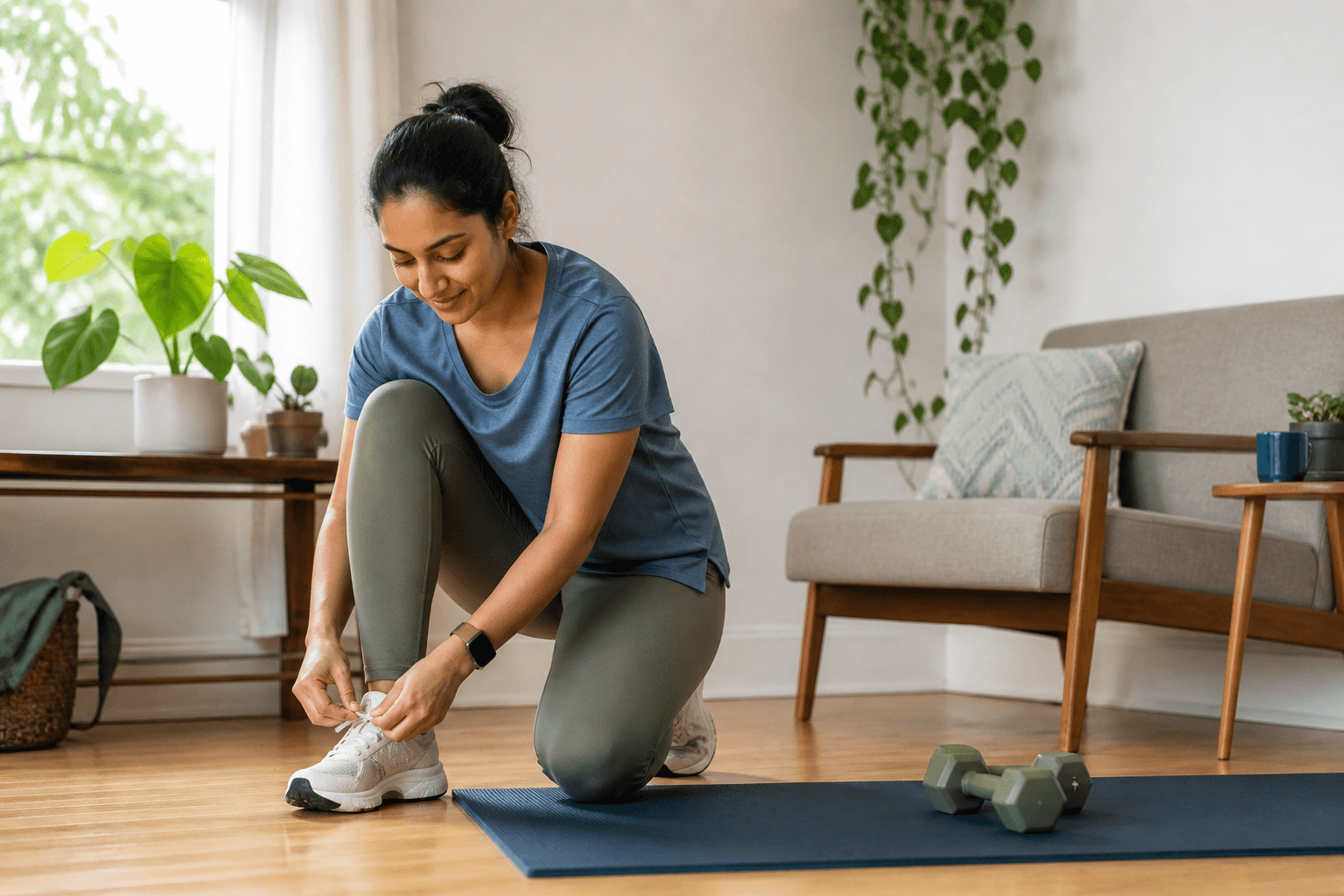
How to Start Exercising Again After a Break
To start exercising again after a break, use your current capacity—not your old routine—as the baseline. Begin with short, comfortable sessions, keep recovery days, and change one variable at a time. Stop for warning symptoms, and get individualized advice when illness, injury, pregnancy, disability, or a chronic condition changes safety.
 Fitness & Movement
Muscle Soreness vs Injury: A Post-Workout Check
Muscle soreness vs injury is easier to sort by pattern than by pain score alone. Delayed soreness usually builds hours after unfamiliar exercise, affects the muscles you trained, and gradually eases. Pain that began suddenly, stays sharply localized, changes how you move, or comes with major swelling, bruising, weakness, numbness, or dark urine needs a more cautious response.
 Fitness & Movement
Zone 2 Cardio Without a Smartwatch: Use the Talk Test
Zone 2 cardio without a smartwatch is possible: choose a steady activity, warm up, then settle at an effort where breathing is clearly elevated but you can still speak in complete sentences. Treat that talk test as a practical field guide, not a laboratory measurement. Heart-rate formulas and wearables are estimates, and medicines, heat, illness, and fitness can shift the reading.
 Fitness & Movement
Can Sleep and Exercise Lower Mutation-Driven Inflammation? What the New Study Means
Fresh research connects sleep, movement, blood-cell mutations, and inflammation, but it is not a home test or a promise that habits erase genetic risk.
 Fitness & Movement
Japanese Interval Walking: A Beginner Plan Without the Hype
Alternating brisk and easy walking can add structure without turning every walk into a test. Start below the viral 30-minute version and progress by symptoms and recovery.
 Fitness & Movement
Movement During Pregnancy and After Birth: A Guide That Starts With Recovery
Updated guidance says movement can support health during pregnancy and after birth. The useful plan starts with symptoms, recovery, and your care team's advice.