GLP-1 Diarrhea: What to Eat and Track
GLP-1 diarrhea calls for fluids first, small tolerated meals, and a short symptom record—not fasting or changing your dose alone. Eat your usual varied diet as tolerated, temporarily limit foods that clearly worsen symptoms, and contact your prescriber for persistent, severe, or dehydrating diarrhea.
 Lalit SOctober 20, 202611 min read

Useful health tools
Try one of our most searched health calculators.
BMI Calculator
Estimate body mass index from height and weight, with a plain-language category.
Daily Calorie Needs Calculator
Estimate maintenance calories and gentle weight-change ranges by activity level.
Sleep Calculator
Work backward from a wake-up time to estimate when to get into bed for an adult sleep target.
Quick answer: GLP-1 diarrhea calls for fluids first, small tolerated meals, and a short symptom record—not fasting or changing your dose alone. Eat your usual varied diet as tolerated, temporarily limit foods that clearly worsen symptoms, and contact your prescriber for persistent, severe, or dehydrating diarrhea.
A loose stool after starting or increasing a GLP-1 medicine may be a medication side effect, but medicine is not the only possible cause. Infection, another medicine, a food intolerance, or a separate digestive problem can look similar. Your safest first response is to protect hydration, note the pattern, keep eating as tolerated, and give the prescribing team enough detail to judge what comes next.
Can a GLP-1 medicine cause diarrhea?
When appetite is already low, a long forbidden-food list can make eating harder. Start by checking hydration and warning signs, then record what you can tolerate. The 24-hour card below brings stool changes, fluids, food, and dose timing into one message for your prescribing team.
When is home care reasonable—and when should you call?
Meera has two loose stools the day after a prescribed dose increase but can drink, urinate normally, and eat a small breakfast. She records the timing, chooses water and a simple meal, and messages her prescriber because the pattern followed titration. Her friend has repeated watery stools, dizziness on standing, very little urine, and worsening abdominal pain. That is not a food-experiment day; it needs prompt medical assessment. The medication name is only one part of the decision.
What should you do first for GLP-1 diarrhea?
- Start with fluids you can tolerate. Sip regularly rather than forcing a large amount at once, and use urine frequency, urine color, thirst, dry mouth, dizziness, and your ability to keep fluids down as practical hydration clues.
- Eat when you feel able. NIDDK says most adults with acute diarrhea can return to their normal diet as appetite returns; you do not need to fast or live on a nutritionally narrow diet.
- For a short period, choose smaller portions of familiar foods that sit well—such as rice, oats, potatoes, toast, banana, soup, yogurt if tolerated, eggs, tofu, fish, or chicken—then bring variety back as symptoms settle.
- Temporarily reduce only likely aggravators: high-fat or fried meals, alcohol, excess caffeine, large amounts of simple sugar, sugar alcohols in sugar-free products, and lactose if it clearly worsens the episode.
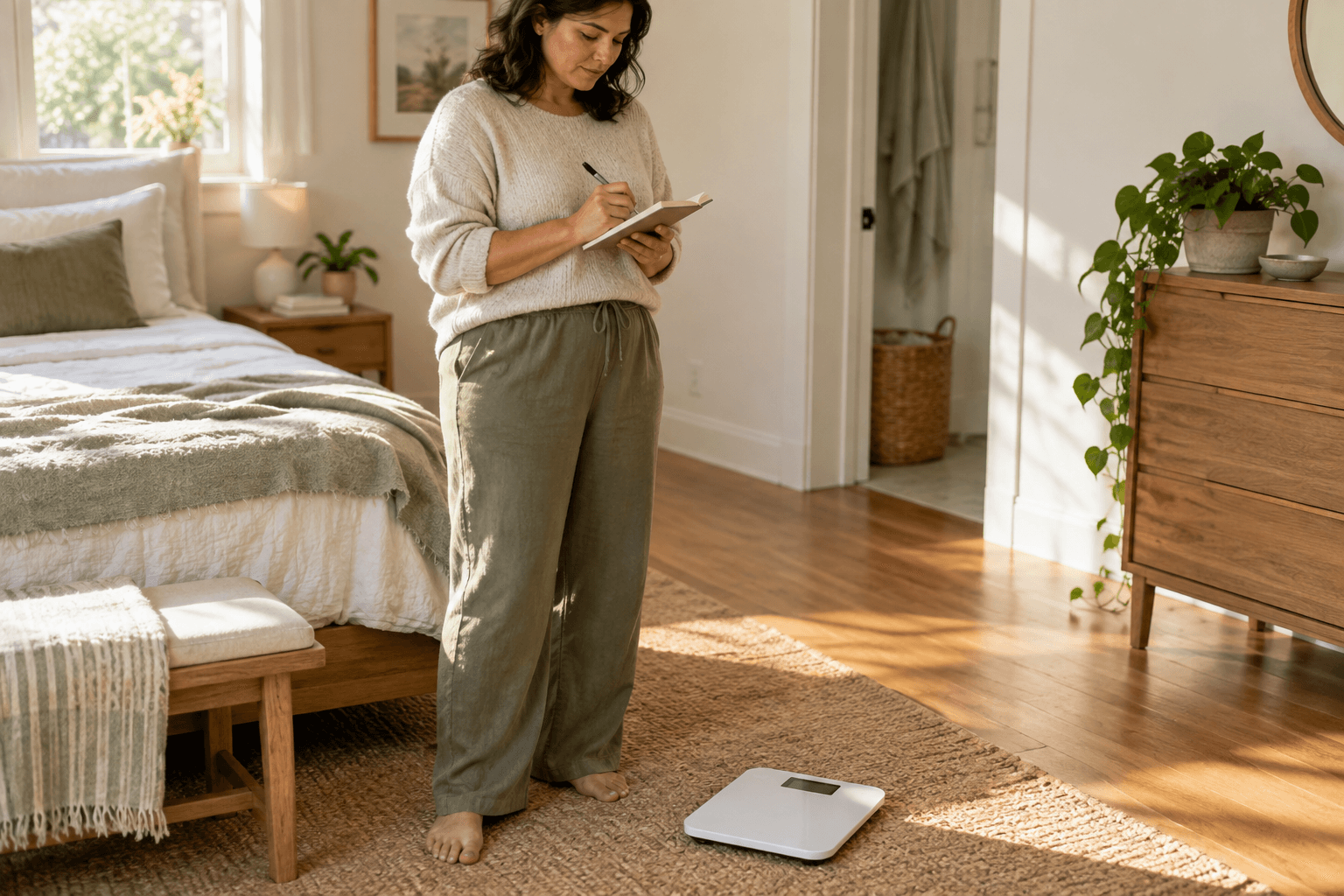
- Write down stool frequency, fluid intake, urination, pain, fever, vomiting, blood or black stool, foods, other medicines, and the GLP-1 dose date. A pattern is more useful to your prescriber than a guessed trigger.
- Contact the prescribing team before the next dose if diarrhea is persistent, worsening, repeatedly follows dosing, limits food or fluid, or started after titration. For routine diarrhea, contact your prescriber before changing the dose. Follow your product’s emergency instructions: severe persistent abdominal pain or symptoms of a serious allergic reaction require stopping the medicine and immediate medical help.
- Ask before using an oral rehydration product if you have diabetes, kidney disease, heart failure, a fluid or sodium restriction, or medicines that affect fluid balance; the right product and amount may differ.
Can a GLP-1 medicine cause diarrhea?
Yes. Diarrhea is listed among common gastrointestinal adverse effects in semaglutide and tirzepatide prescribing information. FDA labels also warn that nausea, vomiting, and diarrhea can lead to dehydration and kidney problems. That link makes fluid loss important, but it does not prove that the medicine caused every episode.
Tell the prescriber when symptoms began, whether they followed starting treatment or a dose change, and what else changed. The site's dose-change nausea guide uses a similar timing record when nausea or vomiting occurs alongside the bowel change.
What should you eat with GLP-1 diarrhea?
There is no single GLP-1 diarrhea diet. NIDDK advises that most adults can eat their normal diet when appetite returns, even while acute diarrhea continues. For comfort, use smaller servings of foods you already tolerate rather than forcing a full meal. If appetite remains low after the acute episode, the site's low-appetite GLP-1 food guide offers smaller-meal ideas without turning them into a permanent restriction.
High-fat or fried food, alcohol, caffeine, large amounts of simple sugars, sugar alcohols, and temporarily poorly tolerated lactose can worsen acute diarrhea for some people. Treat that list as a short observation tool, not a permanent ban. As stools settle, widen the menu so reduced appetite does not become a nutritionally narrow diet. The site's GLP-1 protein-and-fiber meal plan can help rebuild variety after the acute phase.
Use a 24-hour stool–fluid–food–medicine card
One page is enough. The card prepares a useful message for your prescriber; it does not diagnose the cause or give permission to wait through warning signs. The site's GLP-1 bowel-pattern guide can help if the pattern later shifts toward constipation rather than diarrhea.
| Lane | What to record | Why it matters |
|---|---|---|
| Stool | Times, watery or loose, blood, black color, urgency | Shows frequency and warning signs |
| Fluids | What you drank, vomiting, thirst, dry mouth | Shows whether replacement is realistic |
| Urine and function | Frequency, color, dizziness, faintness, work and walking | Flags possible dehydration impact |
| Food | Small meals, sugar alcohols, alcohol, high-fat food, dairy response | Finds repeatable—not imagined—triggers |
| Medicine | Product, prescribed dose, last dose, recent titration, other medicines | Gives the prescriber timing and interaction context |
| Other clues | Pain location, fever, sick contacts, travel, antibiotics | Keeps other causes in view |
How should you think about water, electrolytes, and diabetes?
Diarrhea removes fluid and electrolytes. NIDDK recommends replacing both and notes that oral rehydration solutions may help. It also specifically advises older adults and people with diabetes, kidney disease, weakened immunity, or other health conditions to ask a doctor which solution or fluid amount fits them. The site's water-versus-electrolytes guide explains why a sports drink and an oral rehydration solution are not automatically interchangeable.
If you use insulin or a sulfonylurea, reduced intake may also affect your established sick-day or low-glucose plan. Follow the plan supplied by your own care team; do not improvise medication changes from this article. If standing makes you dizzy, use the immediate fall-safety steps in the standing-dizziness guide while arranging appropriate care.
What should you ask before taking an anti-diarrheal product?
NIDDK notes that some adults can use loperamide or bismuth for acute diarrhea, but they are not right for every situation and are generally avoided when bloody stool or fever is present. Your other medicines, allergies, pregnancy status, kidney function, and the suspected cause also matter.
Ask a pharmacist or prescriber: Does this fit my symptoms? Could it interact with my medicines? What warning signs mean I should not take it? How long should I wait before calling? The site's GLP-1 side-effects checklist can organize the rest of the conversation without suggesting a dose change.
What common GLP-1 diarrhea mistakes should you avoid?
- Assuming every loose stool is caused by the GLP-1. Fever, sick contacts, travel, antibiotics, contaminated food, another medicine, or a new illness may change the evaluation.
- Fasting until the bowel is quiet. Restriction can make it harder to meet energy, protein, and micronutrient needs when appetite is already reduced.
- Drinking only plain water in large amounts or adding electrolyte powders automatically. Diarrhea can involve electrolyte loss, but diabetes, kidney, heart, and blood-pressure plans can change what is appropriate.
- Taking loperamide, bismuth, probiotics, fiber supplements, or another remedy without checking fever, blood, black stool, medicine interactions, pregnancy, and your clinician's advice.
- Eliminating dairy, gluten, fiber, fruit, vegetables, and fat all at once. Broad restriction hides the pattern and can leave a low-appetite diet nutritionally thin.
- Changing the GLP-1 dose yourself or using a friend's titration plan. Product, indication, other diabetes medicines, symptoms, and medical history all matter.
When should GLP-1 diarrhea get medical care?
Contact a clinician promptly if diarrhea lasts more than two days, occurs six or more times in a day, keeps you from drinking, or comes with frequent vomiting, high fever, severe abdominal or rectal pain, blood, pus, black tarry stool, marked weakness, or dehydration signs. Seek urgent help for confusion, fainting, no urination, rapid breathing or heartbeat, severe or persistent upper abdominal pain that may spread to the back, or an allergic reaction. Older adults, pregnant people, and people with diabetes, kidney disease, weakened immunity, or recent antibiotics should seek earlier individualized advice.
Questions this guide answers
These are the practical questions readers usually bring to this topic. The short answers below are intentionally direct, and the surrounding sections explain the context, cautions, and when professional guidance matters.
Is diarrhea a common GLP-1 side effect?
Diarrhea appears in the adverse-effect information for GLP-1 medicines, including semaglutide and tirzepatide products. A new episode can still have another cause, so report timing, severity, other symptoms, and recent medicine changes.
What should I eat when a GLP-1 gives me diarrhea?
Eat small amounts of familiar foods as tolerated and return toward your normal varied diet as appetite improves. Temporarily limit foods that clearly aggravate symptoms, especially high-fat meals, alcohol, excess caffeine, large sugar loads, and sugar alcohols.
Should I stop my GLP-1 if I have diarrhea?
For routine diarrhea, contact the prescribing team before changing the dose, especially if symptoms persist or cause dehydration. Follow your product’s emergency instructions: severe persistent abdominal pain or symptoms of a serious allergic reaction require stopping the medicine and immediate medical help.
Can I drink electrolytes for GLP-1 diarrhea?
Replacing lost fluid and electrolytes can matter, but the right product and amount are not universal. Ask for individualized advice if you have diabetes, kidney or heart disease, a fluid or sodium restriction, or take medicines that affect fluid balance.
When is GLP-1 diarrhea an emergency?
Urgent warning signs include confusion, fainting, no urination, severe dehydration, rapid breathing or heartbeat, severe or persistent abdominal pain, black or bloody stool, repeated vomiting, or an allergic reaction. Seek prompt advice for frequent diarrhea or symptoms lasting more than two days.
Sources
Health Wellness Daily uses current prescribing information and credible digestive-health sources to support medication, nutrition, and safety claims. Sources reviewed for this article include:
- MedlinePlus: Semaglutide injection
- NIDDK: Treatment of diarrhea
- NIDDK: Eating, diet, and nutrition for diarrhea
- NIDDK: Symptoms and causes of diarrhea
- MedlinePlus: Dehydration
- DailyMed: FDA-approved Wegovy prescribing information
- DailyMed: FDA-approved Zepbound prescribing information
- Multidisciplinary expert consensus on managing GLP-1 gastrointestinal adverse events
By Lalit S · Researched and sourced, not medical advice · Last reviewed 2026-10-27
A note before we start: I'm not a medical professional. This is a researched, plain-language guide with every health claim linked to a credible source so you can check it and bring it to your own doctor. It's for general education — not a diagnosis, and not a substitute for care from someone who knows your history.
How this article was made: This guide was researched and drafted with AI assistance. A separate AI quality-assurance agent checked the claims against the linked sources before publication. This was AI-assisted QA, not human or clinical review. Lalit S is a non-clinician researcher and writer; corrections from clinicians are welcome at contact@healthwellnesdaily.com.
Medical disclaimer: This content is for general information only and is not medical advice. Always consult a qualified healthcare professional about your own symptoms.


Comments
Verified readers can comment. New comments are reviewed before they appear.