Skin Barrier Repair: A Simple Routine for Irritated, Tight, or Over-Exfoliated Skin
Barrier repair is one of the biggest skin care trends because many routines have become too harsh. Here is how to calm things down safely.
 Lalit SJuly 20, 20268 min read
Useful health tools
Try one of our most searched health calculators.
BMI Calculator
Estimate body mass index from height and weight, with a plain-language category.
Daily Calorie Needs Calculator
Estimate maintenance calories and gentle weight-change ranges by activity level.
Sleep Calculator
Work backward from a wake-up time to estimate when to get into bed for an adult sleep target.
Quick answer: Barrier repair is one of the biggest skin care trends because many routines have become too harsh. Here is how to calm things down safely. Pause scrubs, peel pads, strong acids, and new actives for one to two weeks if your skin is stinging or peeling. This guide explains the evidence, practical cautions, and signs that mean it is time to speak with a qualified healthcare professional.
A practical guide for readers whose skin feels tight, stings after products, or looks irritated after active-heavy routines. If moisturizer itself is the product that burns, use the site's moisturizer-stinging decision card to compare immediate irritation with a delayed rash before changing the whole routine.
Skin care advice gets noisy quickly because trends, ingredient lists, influencer routines, and medical skin conditions often share the same feed. The useful version starts with comfort, protection, and a routine your skin can tolerate.
The details matter, but the tone matters too: no shame, no scare tactics, and no promises that one habit fixes everything.
What is the most useful quick take?
- Most useful first step: Pause scrubs, peel pads, strong acids, and new actives for one to two weeks if your skin is stinging or peeling.
- Do not miss: Adding more exfoliation when skin feels rough.
- Safety cue: See a dermatologist or clinician for severe pain, spreading rash, swelling, blisters, infection signs, crusting, bleeding, eye-area involvement, symptoms after a prescription product, or irritation that does not improve with a gentle routine. This article is educational and is not a diagnosis.
Why does this matter?
Global skin care trend coverage in 2026 is repeatedly pointing back to barrier support, microbiome-friendly products, peptides, and simpler routines instead of aggressive exfoliation. Barrier repair also links naturally to sunscreen, retinoid tolerance, acne care, and sensitive skin.
A real-life way to decide
A reader has been rotating glycolic acid, retinoid, vitamin C, and scrubs because each promised glow. Now moisturizer burns and sunscreen pills over dry patches. The first win is not a stronger product; it is a two-week reset that makes the skin comfortable enough to judge what actually helps.
For skin care content, we separate everyday cosmetic routines from symptoms that need a dermatologist or clinician, and we avoid promising that one product will cure acne, eczema, dark spots, aging, or irritation.
How can you use this information safely?
The plan below is intentionally modest. That is the point.
- Pause scrubs, peel pads, strong acids, and new actives for one to two weeks if your skin is stinging or peeling.
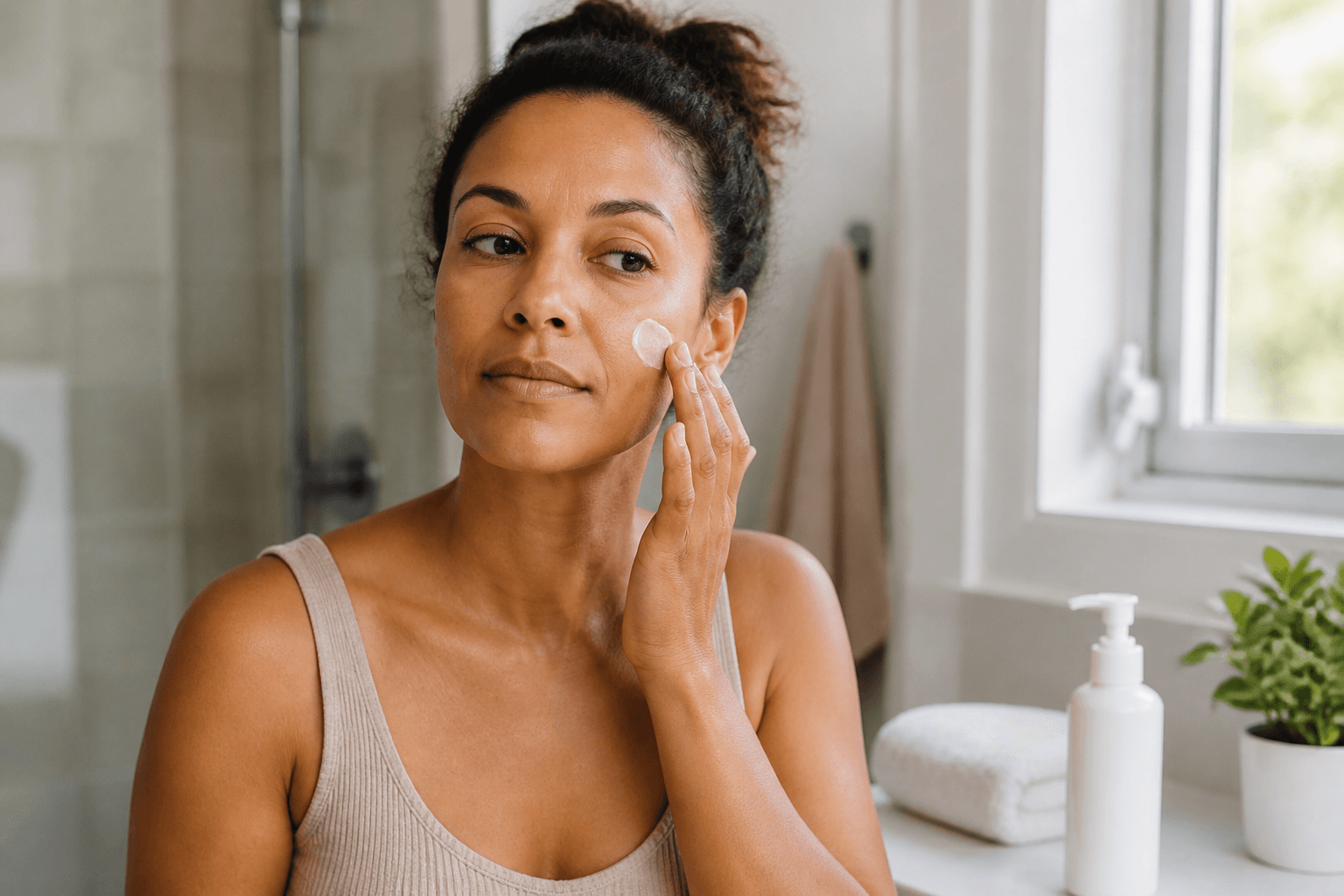
- Use a gentle cleanser or rinse-only morning, then apply a fragrance-free moisturizer with barrier-supporting ingredients such as ceramides, glycerin, petrolatum, or dimethicone.
- Wear broad-spectrum SPF 30 or higher each morning because irritated skin can be more vulnerable to sun-related darkening and discomfort.
- Reintroduce one active at a time only after the skin feels comfortable for several days.
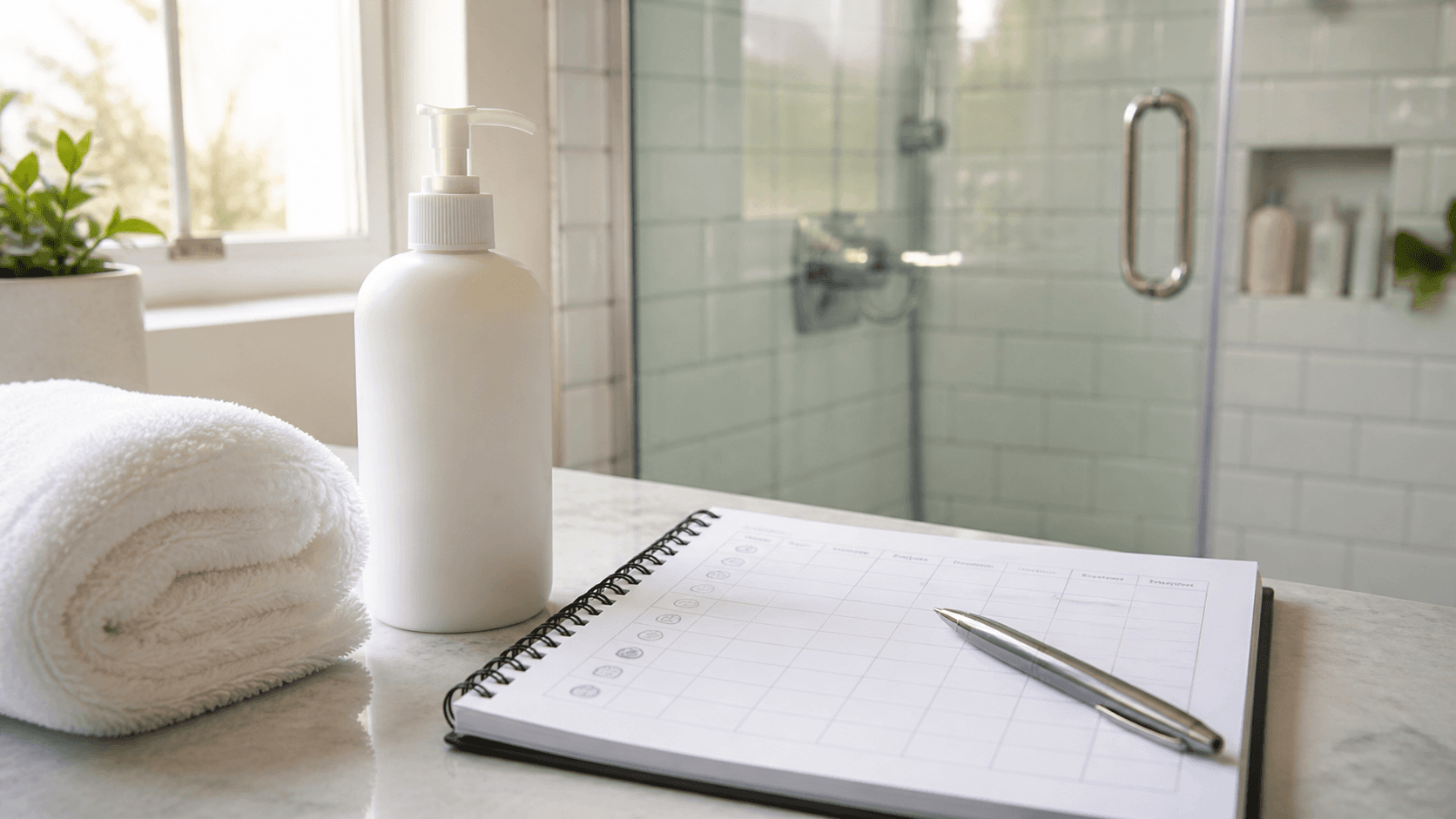
- Track burning, itching, scaling, swelling, and rash rather than chasing daily glow.
One helpful check is to ask, "Would I still do this on a low-energy day?" If the answer is no, make the step smaller before you judge your motivation.
Build the rest of the Skin Care cluster from this base
Barrier repair is the foundation for several trend-driven routines. If sunscreen stings or leaves a cast, use the site's daily sunscreen guide. If dark spots are the main concern, start with the hyperpigmentation routine before buying strong acids. If peptides or exosome products are driving an expensive routine, compare the evidence and marketing claims in the peptides, exosomes, and skin longevity guide first. If heat and sweat brought on a new rash or breakout, compare the cautious clues in the summer sweat-rash, acne, and eczema guide. If bathing itself triggers tightness or itching, use the itchy-skin-after-shower troubleshooting plan before adding another active. A new itchy welt after outdoor exposure belongs in the mosquito bite reaction and infection guide, not an active-heavy facial routine. If breakouts are driving product switching, the adult acne skinimalism guide explains how to simplify without abandoning acne care. Readers with diagnosed or suspected eczema should use the more specific eczema-safe flare routine, because moisturizer alone may not control medical inflammation or infection.
Questions this guide answers
These are the practical questions readers usually bring to this topic. The short answers below are intentionally direct, and the surrounding sections explain the context, cautions, and when professional guidance matters.
How long does skin barrier repair take?
Mild irritation may feel better within days, but deeper dryness or eczema-prone skin can take longer and may need professional care.
Are ceramides good for the skin barrier?
Ceramides are common barrier-supporting moisturizer ingredients. They can help many people, but formula tolerance still matters.
Should I stop retinol if my skin barrier is damaged?
Pause irritating actives during a flare and restart slowly only when skin is comfortable, or ask a dermatologist if retinoids were prescribed.
Does sunscreen help barrier repair?
Sunscreen does not repair the barrier by itself, but it helps prevent UV-related irritation, burns, and darkening while skin calms down.
What common mistakes should you avoid?
- Adding more exfoliation when skin feels rough.
- Using too many new products in the same week.
- Skipping sunscreen while trying to fade marks.
- Assuming all natural oils are automatically gentle.
When should you seek medical care?
See a dermatologist or clinician for severe pain, spreading rash, swelling, blisters, infection signs, crusting, bleeding, eye-area involvement, symptoms after a prescription product, or irritation that does not improve with a gentle routine. This article is educational and is not a diagnosis.
Progress should make your life more workable, not smaller.
Sources
Health Wellness Daily uses credible medical and public-health sources to support health claims. Sources reviewed for this article include:
- American Academy of Dermatology: Skin care basics
- American Academy of Dermatology: Sunscreen FAQs
- American Academy of Dermatology: Acne resource center
- American Academy of Dermatology: Dark spots and melasma
- NIAMS: Eczema overview
- MedlinePlus: Skin conditions
- FDA: Sunscreen information
By Lalit S · Researched and sourced, not medical advice · Last reviewed 2026-07-20
A note before we start: I'm not a medical professional. This is a researched, plain-language guide with every health claim linked to a credible source so you can check it and bring it to your own doctor. It's for general education — not a diagnosis, and not a substitute for care from someone who knows your history.
How this article was made: I researched current guidance from the sources above, drafted with AI assistance, and fact-checked every claim against its source before publishing. I'm not a medical professional — corrections from clinicians are welcome at contact@healthwellnesdaily.com.
Medical disclaimer: This content is for general information only and is not medical advice. Always consult a qualified healthcare professional about your own symptoms.

Comments
Verified readers can comment. New comments are reviewed before they appear.